







Search Results for: espresso coffee bean selection
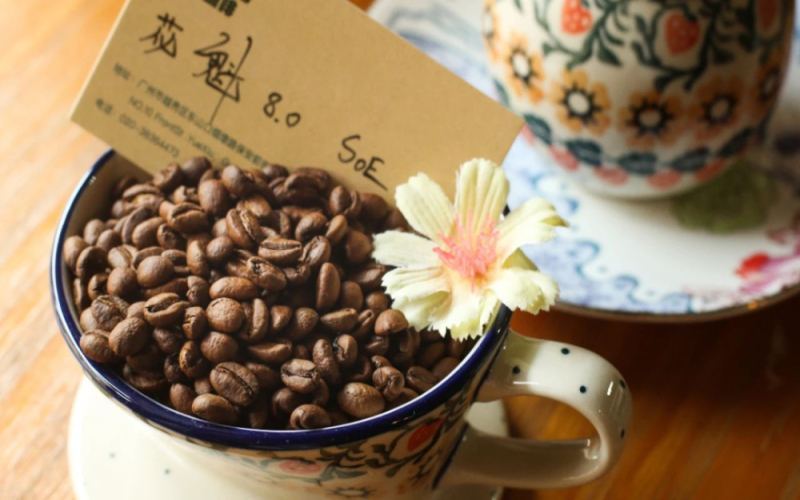
Can Kenyan single-origin beans be made into SOE espresso? A complete practical guide from bean selection to extraction
In recent years, SOE espresso has become increasingly common in specialty coffee shops, but many people mistakenly believe that simply putting single-origin beans into an espresso machine will produce a delicious cup of SOE. In fact, single-origin espresso has stricter requirements for bean selection, roasting curves, and extraction parameters. Starting from the store practices of Front Street Coffee, this article explains the essential difference between SOE and blended espresso, clarifies why not all single-origin beans are suitable for SOE, and, using Kenya cherry coffee beans as an example, provides a complete extraction plan including dose, yield, ratio, and time, helping coffee lovers make a cup of single-origin espresso with clear flavor at home. [more…]
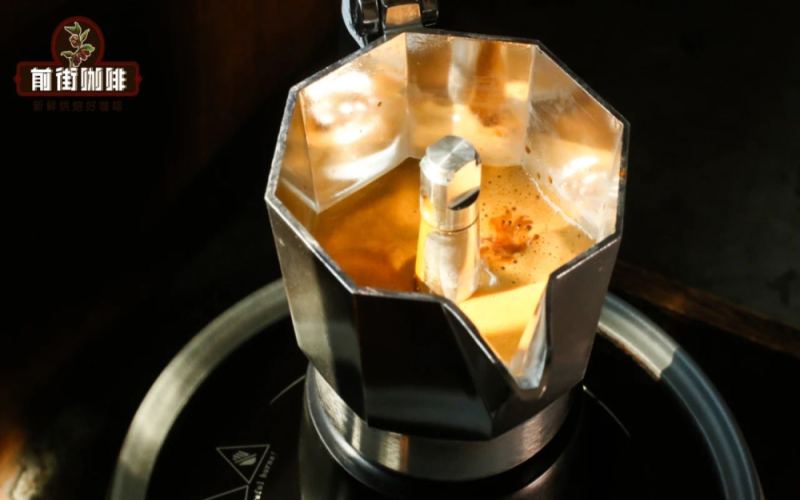
From Moka Pot to Espresso Machine: Bean Selection and Blend Recommendations for Milk Coffee, Americano, and Latte
Many people don't chase the distinct regional flavors of pour-over coffee in their daily cup; they prefer the milky taste of coffee with milk added. To make a stable, delicious latte or Americano, choosing the right espresso beans is the first step. This article starts with the basic principles of espresso, explains the relationship between espresso, Americano, latte, and cappuccino, and lays out three general guidelines for selecting espresso and moka pot coffee beans: not sour, freshly roasted, and medium-dark roast. On this basis, drawing on several of Front Street Coffee's blends, it offers specific selection logic and recommendations for different needs—traditional Arabica, commercial blends, classic rich body, cost-first, and fruity acidity. [more…]
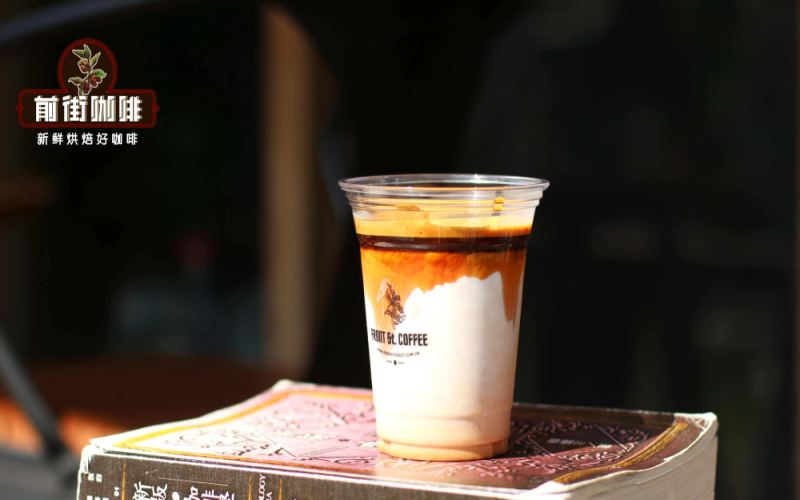
Milk Coffee Bean Selection Guide: Espresso Blends and SOE Characteristics and Key Points for Latte Coffee Bean Selection
To make a smooth and delicious milk coffee at home, choosing the right coffee beans is the first step. Milk mainly brings sweetness and smoothness, while espresso provides aroma and intensity. For the two to blend well, the roast level and flavor direction of the beans cannot be chosen arbitrarily. Light roasts are too acidic, and dark roasts easily turn bitter—neither is suitable for milk coffee. Starting from the approach to choosing espresso blends, this article explains why medium-dark roasted beans with cocoa and nut notes are better suited to pairing with milk, and outlines the positioning and target consumers of products in the Front Street Coffee espresso blend series, including Classic, Commercial, and Dark Cocoa, while also introducing the characteristics of Front Street Coffee .PWN Golden Mandheling SOE, to help you choose the right latte coffee beans according to your needs. [more…]
Selection Logic for Home and Commercial Espresso Beans for Americano, Latte, and Moka Pot
In both home and café settings, milk coffee consumption far exceeds that of pure pour-over, making the selection of a suitable espresso blend crucial. This article outlines the extraction principles of espresso and moka pot brewing, pointing out that medium-dark roast, low acidity, and fresh roasting are universal benchmarks. On this basis, Front Street Coffee, leveraging its five-day fresh roast advantage, has launched several targeted products: those pursuing pure Arabica can choose the "Front Street Specialty Blend"; for commercial latte art requiring rich crema, the "Front Street Commercial Blend" or the "Front Street Classic Blend" containing Mandheling is preferable; the cost-conscious are suited to the "Espresso Moka Pot Coffee Beans Recommended by Many Baristas - Front Street Black Cocoa Blend"; while those craving fruity and floral notes can try the "Front Street Strawberry Candy Espresso Blend." The article helps readers make precise purchases according to their own needs. [more…]
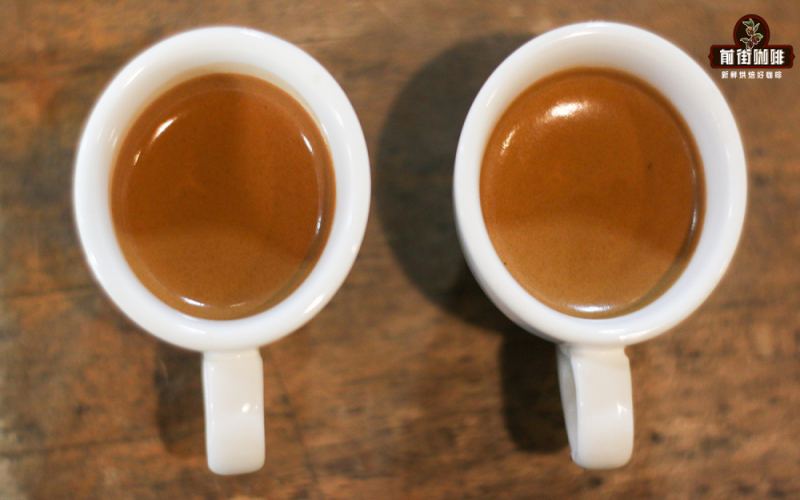
SOE Single-Origin Espresso Bean Selection Key Points and Suitable Coffee Machine Recommendation Guide
In recent years, the practice of making espresso with single-origin coffee beans has become increasingly popular. This style of coffee, known as SOE, emphasizes the authentic flavors of its origin and stands in sharp contrast to traditional espresso blends. However, not all single-origin beans can handle the extraction demands of an espresso machine. Drawing on Front Street Coffee's practical experience, this article systematically explains the definition of SOE, bean selection criteria, and extraction adjustment approaches, and specifically recommends two beans suitable for making espresso—Front Street Coffee Yirgacheffe Natural Red Cherry and Front Street Coffee Brazil Queen's Estate—along with suggested parameters for grind size, brew ratio, and time, helping coffee enthusiasts make a cup of SOE with clear flavors at home. [more…]
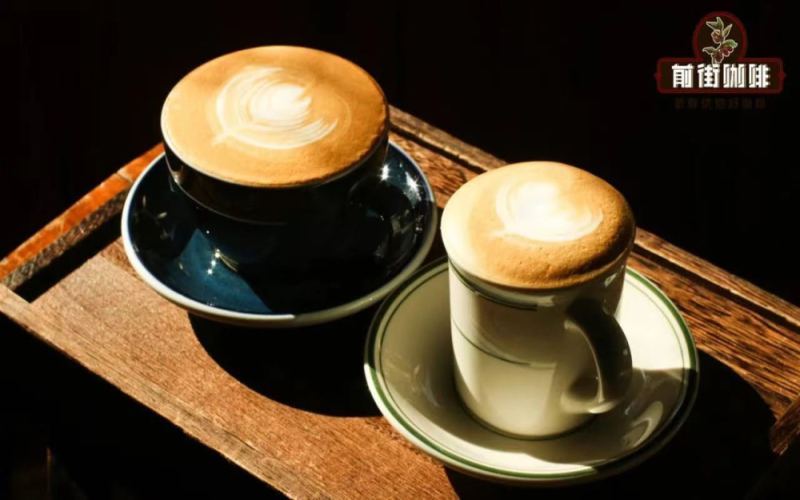
Espresso Bean Selection Guide: Analyzing the Differences Between Blends and Single-Origin Beans, with Front Street Coffee's Espresso Bean Recommendations
To make a delicious espresso at home, choosing the right beans is a key step. This article starts with the basics of espresso, explains why blended beans have become the mainstream choice for cafes when making espresso, and sorts out selection ideas for home users around three dimensions: cost-effectiveness, stability, and flavor compatibility. It also introduces in detail four products—Front Street Classic Espresso Blend, Strawberry Candy Espresso Blend, Specialty Blend, and Commercial Espresso Blend—explaining their respective origin combinations, roast levels, flavor performance, and applicable scenarios, helping coffee enthusiasts and operators find suitable espresso beans under different needs. [more…]
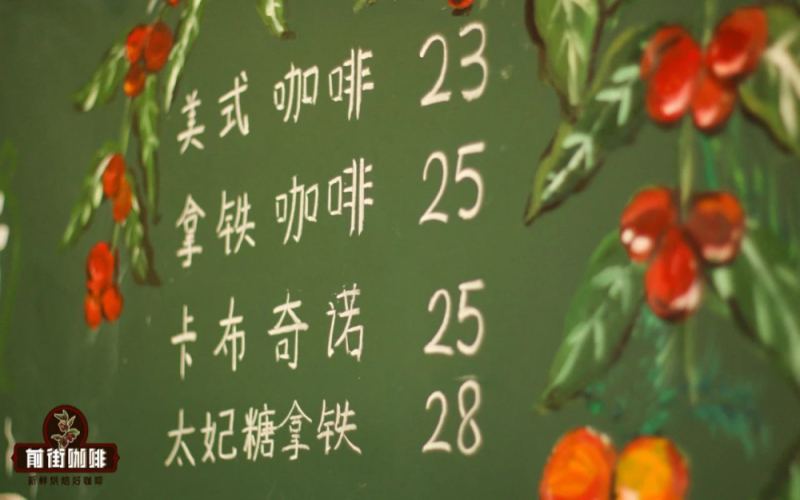
SOE Espresso Flavor Analysis: Single-Origin vs. Espresso Blend Differences and Selection Advice
SOE (Single Origin Espresso) refers to espresso made from a single-origin coffee, and in recent years it has attracted considerable attention in the specialty coffee world. Many coffee enthusiasts are curious: what exactly is the difference between SOE and espresso blends? Which is better suited for daily service? Starting from Front Street Coffee's practice, this article systematically sorts out the flavor characteristics of SOE, the key points of extraction, and the advantages of blends in terms of stability and flavor construction. At the same time, by combining two products—Front Street Brazil Queen's Estate Yellow Bourbon SOE and Front Street Sunflower Warm Sun Espresso Blend—it explains extraction parameters and blending logic in detail, helping readers understand the scenarios and selection approaches for which each type of coffee bean is suited. [more…]
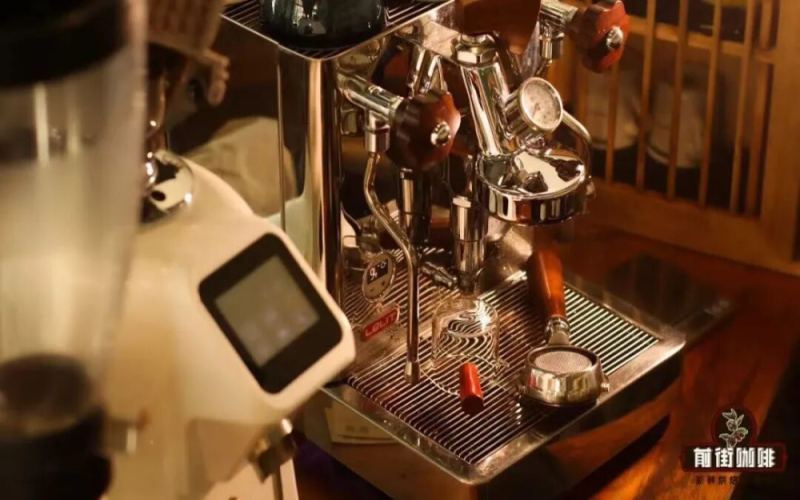
Analysis of Flavor Characteristics and Selection Guide for Espresso Beans: Practical Criteria from Blends to SOE
Espresso beans are not just synonymous with blends; today, single-origin beans can also handle espresso extraction. This article starts with how blends complement each other's strengths, explaining how blending makes flavors more balanced and the mouthfeel richer, and uses the delicious yet affordable Front Street specialty blend as an example to show the layered expression achieved by combining Brazilian nutty aromas with Colombian cocoa flavors; it then introduces SOE espresso made from single-origin beans, explaining its definition and roasting key points, and noting that medium-dark roasting is more conducive to high-pressure extraction and crema formation. Finally, it emphasizes the key impact of freshness on flavor and explains Front Street's commitment to fresh roasting within 5 days, helping coffee enthusiasts establish clear criteria for selection and judgment. [more…]
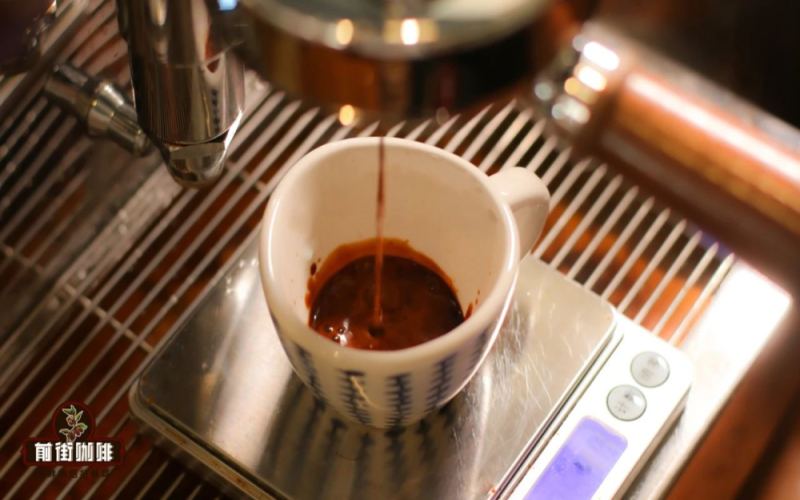
Espresso vs. Pour-Over Coffee Beans: Key Differences and Five Selected Recommendations for Home Espresso Staple Beans
In the world of espresso, espresso is the cornerstone, and coffee beans are the core that determines success or failure. The Americano, latte, and other drinks many people have daily all depend on a qualified cup of Espresso. However, there are significant differences in the bean selection logic between espresso beans and pour-over coffee beans: pour-over is highly tolerant, and almost any single-origin bean can do the job; espresso, on the other hand, must undergo high temperature, high pressure, and extremely fine grinding, and an inappropriate roast level can easily amplify negative flavors. Therefore, for making espresso, it is recommended to use fresh beans with a medium to medium-dark roast. This article centers on this difference and, for home users, sorts out five Front Street espresso coffee beans that combine freshness, flavor, and value for money. [more…]
Florena Coffee Class: An Italian-Style Bean Selection Guide and Espresso Flavor Stories
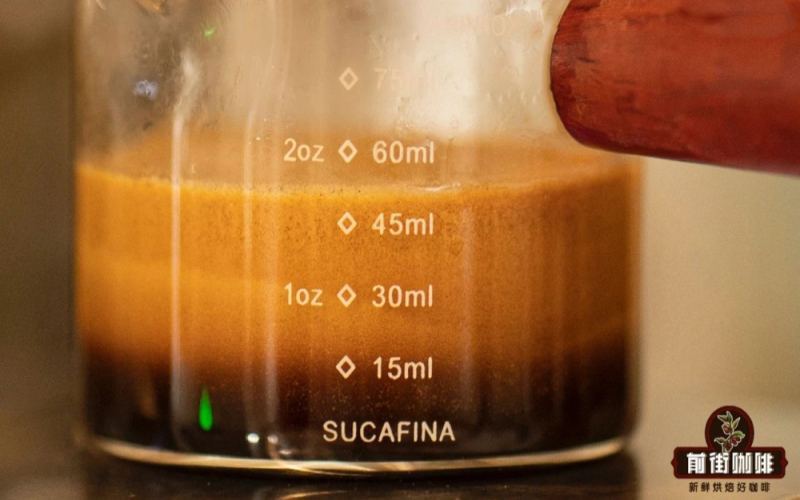
To understand how to choose espresso beans, you first need to grasp the relationship between espresso, blends, and SOE. This article begins with the romantic naming of Starbucks Verona, then sorts out the respective pros and cons of single-origin espresso and blended beans, explains the difficulties SOE presents in bean selection and roasting, and why blended beans can deliver greater consistency. The article also draws on Front Street Coffee's own Sunflower Warm Sun blend to provide extraction parameters and flavor performance for iced lattes, helping coffee lovers find an espresso solution that suits them in their daily brewing. [more…]
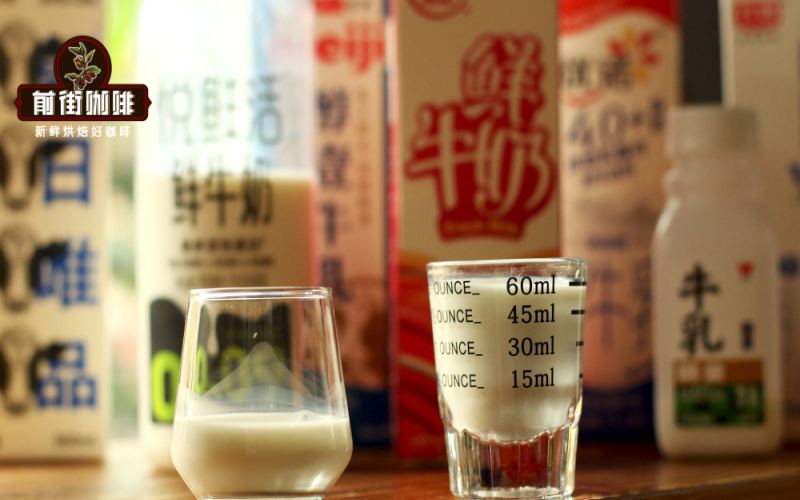
Espresso Bean Selection Guide | What Milk Pairs with Classic Espresso? Which Espresso Coffee Beans Are Recommended for Coffee Shop-Style Espresso?
Many people may not know that making an ideal espresso requires a good deal of effort, including selecting coffee beans, resting the beans, and extraction—every one of these aspects must be ensured without fail, as missing even one link may prevent you from making a rich and aromatic Italian-style coffee. Next, let's start with the first and most important point. [more…]
Colombian Coffee Beans for Home Espresso Machines: A Guide to Single-Origin Selection and SOE Blend Recommendations
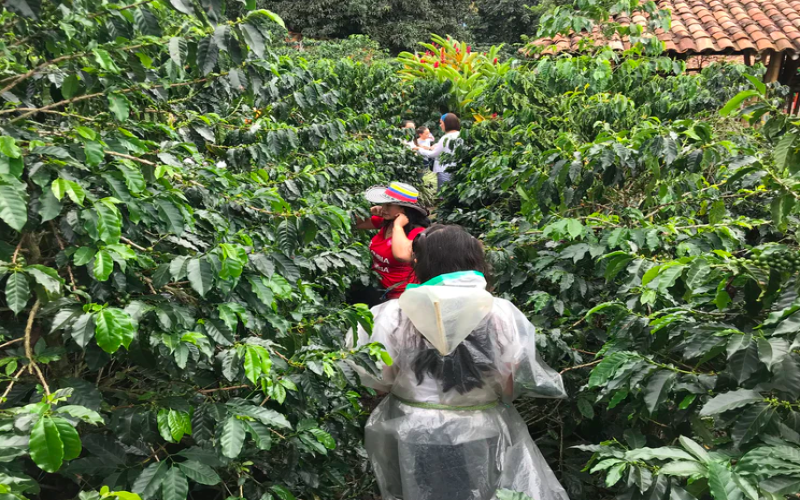
Colombian coffee is known for its diverse flavors, ranging from bright fruity notes to rich, balanced cups with a chocolatey sweetness. It works well not only as a pour-over single origin but also in home espresso machines for making Americanos, lattes, and more. However, the pressurized extraction of an espresso machine amplifies the characteristics of the beans, making bean selection and roast level especially critical. This article explores how well Colombian beans suit home espresso machines, explains why medium or darker roasts are recommended, and offers specific guidance on choosing beans. It also recommends three Colombian espresso beans from Front Street Coffee: Huila SOE, Signature Blend, and Sidra SOE, corresponding to creamy chocolate, balanced nutty, and intense fruity profiles respectively, helping enthusiasts find the right choice for their taste. [more…]
SOE Coffee Brewing Guide: Key Points for Single-Origin Bean Selection and Analysis of Flavor Differences Between Americano and Latte
Want to make a standout SOE with single-origin coffee beans? Starting from the definition of SOE, this article systematically breaks down the three key dimensions of choosing SOE coffee beans—origin, roast level, and processing method—and, drawing on hands-on experience with several Front Street single-origin beans, offers bean-selection advice for different flavor preferences. It also explains in detail how to dial in SOE espresso extraction, along with fine-tuning tips for Ethiopian light roasts, fruity fermented beans, and medium-dark roasts when making Americanos and lattes, helping you easily master this highly distinctive single-origin espresso. [more…]
Coffee Bean Selection Tips | Espresso Always Over-Extracted or Weak? How to Buy the Right Espresso Beans? High Value-for-Money Home Espresso Bean Recommendations
As coffee lovers, I believe everyone has struggled with how to buy a suitable bag of coffee beans, and sometimes, due to poor choices, the espresso you make turns out disastrous. This is especially true for espresso machines with a pressurized feature, as the strong and intense taste of the espresso can easily lead to over-extraction if the coffee beans are not properly selected. [more…]
What Are SOE Coffee Beans? The Characteristics, Flavor Profile, and Bean Selection Considerations of Single-Origin Espresso
SOE stands for single-origin espresso, and its popularity in the specialty coffee world has continued to climb in recent years. How does it differ from blended espresso? Which beans are suitable for making SOE? This article explores the flavor characteristics, mouthfeel, and bean-selection logic of SOE coffee beans: from an analysis of the suitability of Yirgacheffe, Huakui, and Mandheling, to the effect of roast level on espresso flavor, to why Front Street Coffee has experimented repeatedly but never added it to the menu, and the reasons why a cup of SOE is priced higher—answering each question one by one. The article also includes the actual extraction parameters for Front Street's Ethiopia Red Cherry and Warm Sun blend, for enthusiasts to reference and compare. [more…]
Full Guide to Making Coffee Combos: Bean Selection Strategy, Espresso Extraction Parameters, and Milk-to-Water Ratio Guide
Coffee combos have become increasingly popular in specialty coffee shops in recent years. The approach involves splitting a single espresso shot into two or three portions, each paired with water or milk, showcasing the flavor differences of the same bean across multiple brewing formats. This style of service places higher demands on baristas: they must not only select beans that work well for both black coffee and milk coffee, but also recalibrate the espresso extraction recipe and the ratios of coffee to milk and water. Drawing on Front Street's hands-on experience, this article addresses core questions one by one—the logic behind selecting beans for combos, the direction for adjusting extraction parameters, and the respective water and milk ratios for Americanos and lattes—and includes a complete workflow with parameters using the Santa Vini anaerobic natural bean as an example, providing coffee enthusiasts with a reusable reference for making combos. [more…]
Espresso Beginner's Guide: SOE Single-Origin Bean Selection and Front Street Coffee Bean Recommendations
Espresso means "fast" in Italian—not only is it quick to make, but it should also be drunk immediately after it is served. As the specialty coffee wave has advanced, more and more enthusiasts have begun trying to make espresso with single-origin coffee beans, known as SOE. This article will start from the basic concept of espresso, systematically explain the characteristics of SOE, its differences from blend beans, the approach to extraction adjustment, and the experience Front Street Coffee has accumulated in actual practice, and recommend two single-origin coffee beans suitable for making espresso—Front Street Yirgacheffe Natural Red Cherry and Front Street Brazil Queen's Estate—with specific extraction parameter references attached. [more…]
Espresso Bean Selection Guide: How Coffee Shops Craft a Balanced and Smooth Coffee Blend
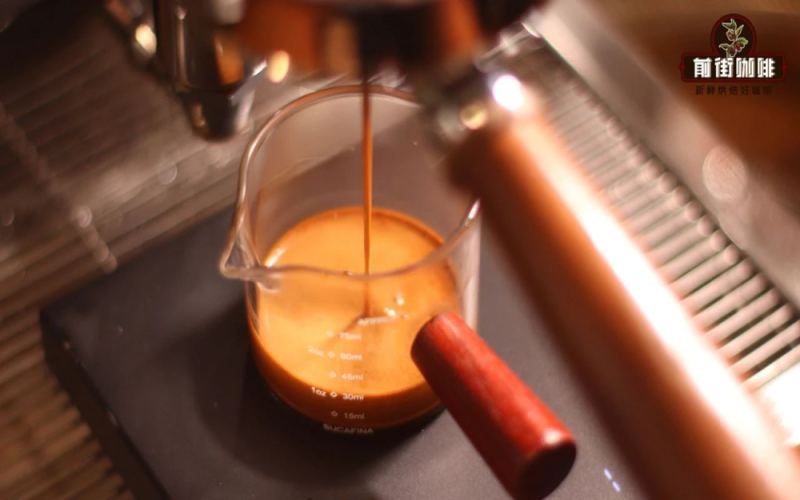
Espresso is a magnifying glass for coffee flavor—any flaw or virtue is multiplied several times over, which is why finding a satisfying blend bean is no easy task. What kind of espresso beans does a coffee shop really need? This article analyzes the question from three angles: choice of roast level, the universal appeal of sweetness, and collaboration within the blending team. Drawing on customer survey data and tasting experience from trade shows, it explores how to balance acidity and bitterness, and how to satisfy both espresso and milk-based coffee offerings. It also recommends products such as Front Street Classic Blend and Front Street Specialty Blend, offering coffee professionals a practical reference for selecting beans. [more…]
Coffee Shop Bean Selection Guide: How to Choose Cost-Effective Espresso Blend Coffee Beans
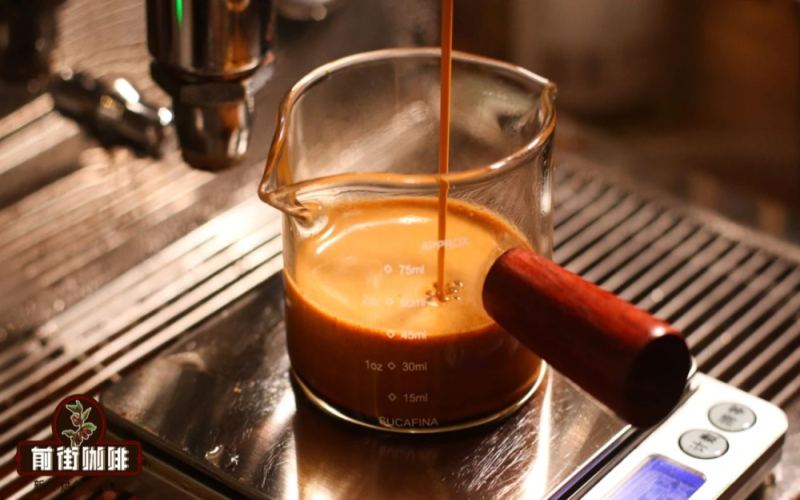
Opening a coffee shop starts with choosing the right coffee beans—a critical step that determines the quality of every cup you serve. Coffee beans on the market fall into two main camps: single-origin and blends. The former highlights the distinctive flavors of a single region, while the latter achieves balance and consistency through skillful blending. For the vast majority of coffee shops, espresso blends are the workhorse for daily service—whether it's an Americano, a latte, or a cappuccino, a reliable blend is indispensable. So what should you look for when buying espresso beans? Freshness, the scale of the roaster, extraction parameters, and the bean's own recipe and flavor profile are all factors that cannot be overlooked. This article approaches things from a practical business perspective, outlining useful considerations for coffee shops selecting beans, and recommends high-value espresso blends suitable for opening a shop. [more…]
A Full Analysis of the Differences Between Pour-Over Coffee and Americano: Strength, Sweetness, Extraction Principles, and Front Street Coffee Bean Selection Tips
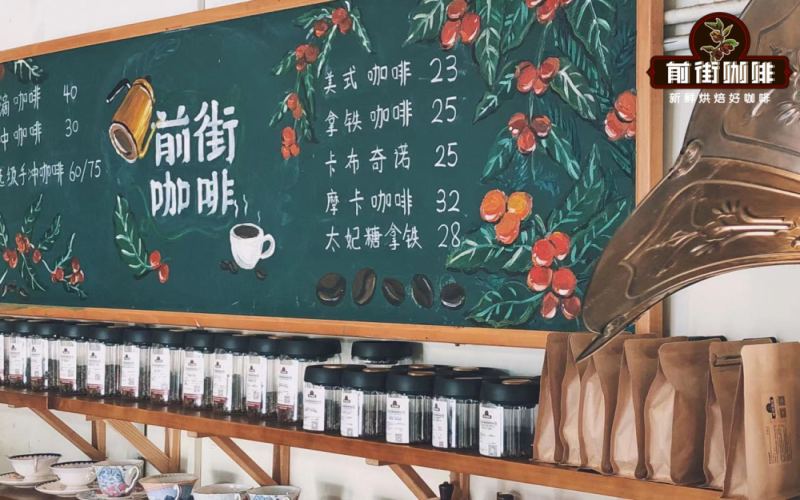
Pour-over and espresso are the two mainstream brewing methods in today's specialty coffee scene, and most coffee beans on the market are developed around these two uses. Pour-over uses atmospheric-pressure drip filtration, giving a clean, refreshing cup akin to brewing tea; espresso relies on high pressure for rapid extraction, producing a rich, full-bodied concentrate. The two differ markedly in bean selection, grinding parameters, and flavor expression. Drawing on Front Street's brewing experience, this article sorts out the core differences between pour-over and Americano, including the equipment required, key points of espresso extraction, the logic behind choosing blend beans versus single-origin beans, and how Front Street's cafés make hot and iced Americanos. Whether you're just starting out or drinking coffee daily, you'll find a brewing approach and bean-selection direction that suits you. [more…]